

SOUNDSCALE Commission: Underfoot, 2026
A ZEST Collective film featuring a collaboration between Anna Marris, Ellen Gillett, lucie smith, and Rabia Raja.
About SOUNDSCALE and Neighbouring Infrastructures
As part of the UKRI-funded SOUNDSCALE project at the University of Southampton, ZEST were commissioned to create an artistic response to the project, which “explores how fibre-optic sensing technologies might affect cities and communities, and how citizens can help shape their development.” Learn more about the SOUNDSCALE project here.
ZEST’s film ‘Underfoot’ was exhibited alongside other artistic responses to the project in a group show called ‘Neighbouring Infrastructures’, which took place at The Winchester Gallery.
About the exhibition: “Technological infrastructures surround us: they help us connect to other people and places, but they also show the barriers of who has access to which services. They set the conditions for how we live, work and play, yet technology is often deployed without, and even against, community consent.
This exhibition asks, what does it mean to be a neighbour to technological infrastructures that are imposed, built and deployed around us? What are some ways to activate agency between people to resist and reshape these conditions for communal needs and foster a sense of belonging as neighbours to one another?
Neighbouring Infrastructures explores the themes of community and infrastructures through multimedia works ranging from sound, installation, sculpture, video and illustration by the artists Angela YT Chan, Alexandra (Sasha) Anikina, Natalie Hyacinth, Net Ember, ZEST Collective and Yadira Sánchez.” Learn more about Neighbouring Infrastructures here.
About the work
“We began by listening to the city. But if the city can listen too, what might it hear? And who gets to listen?”
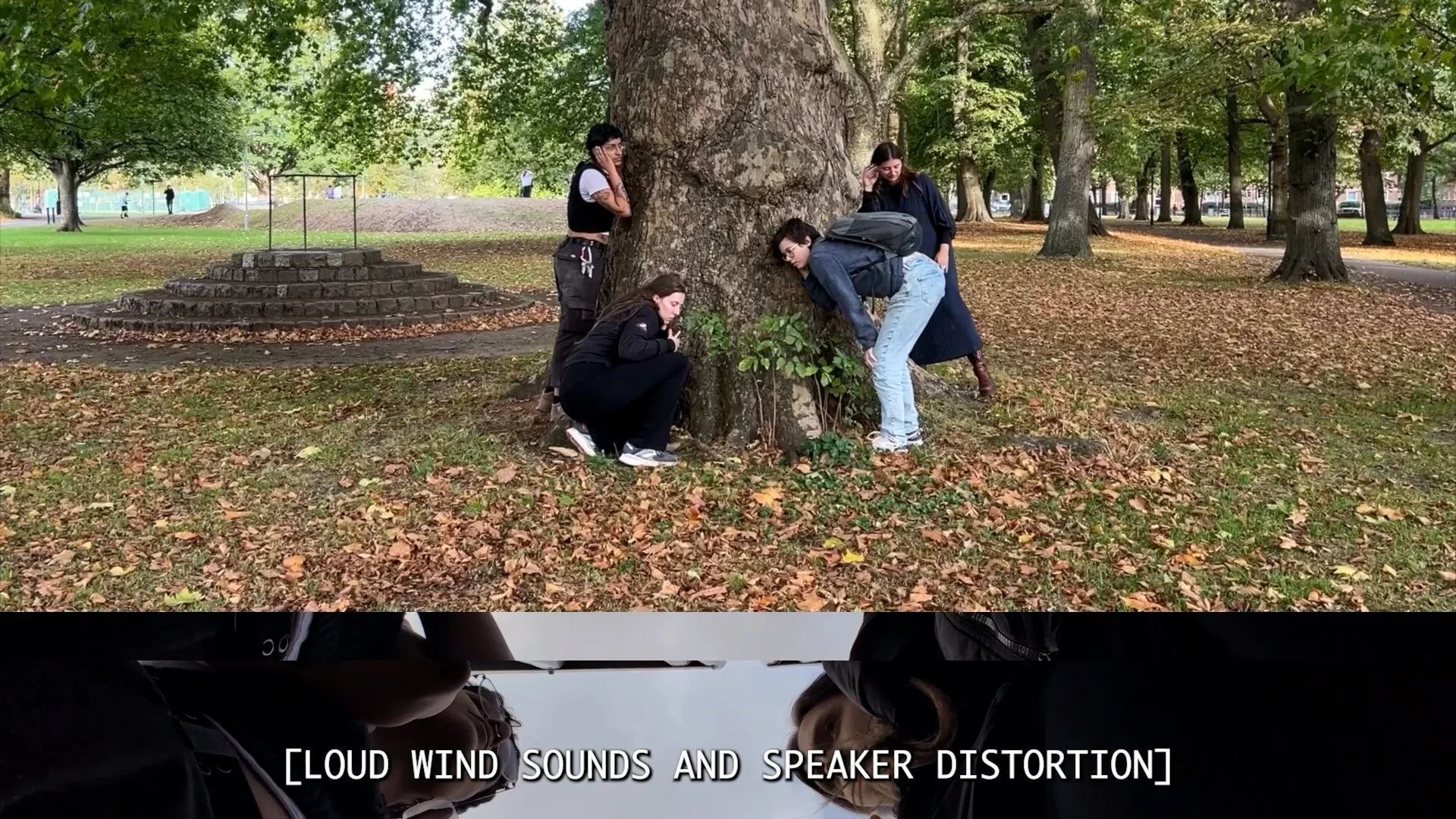
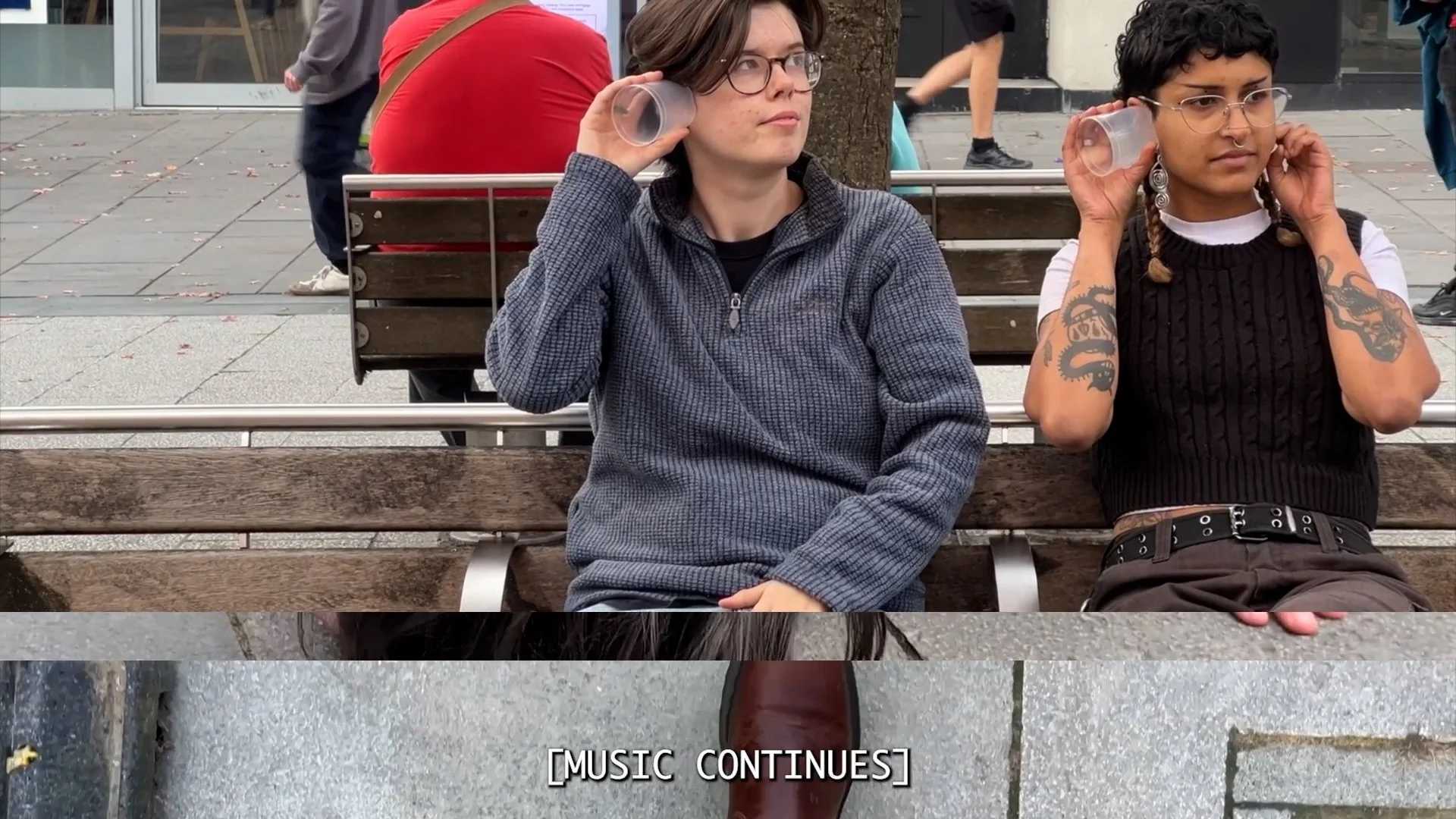
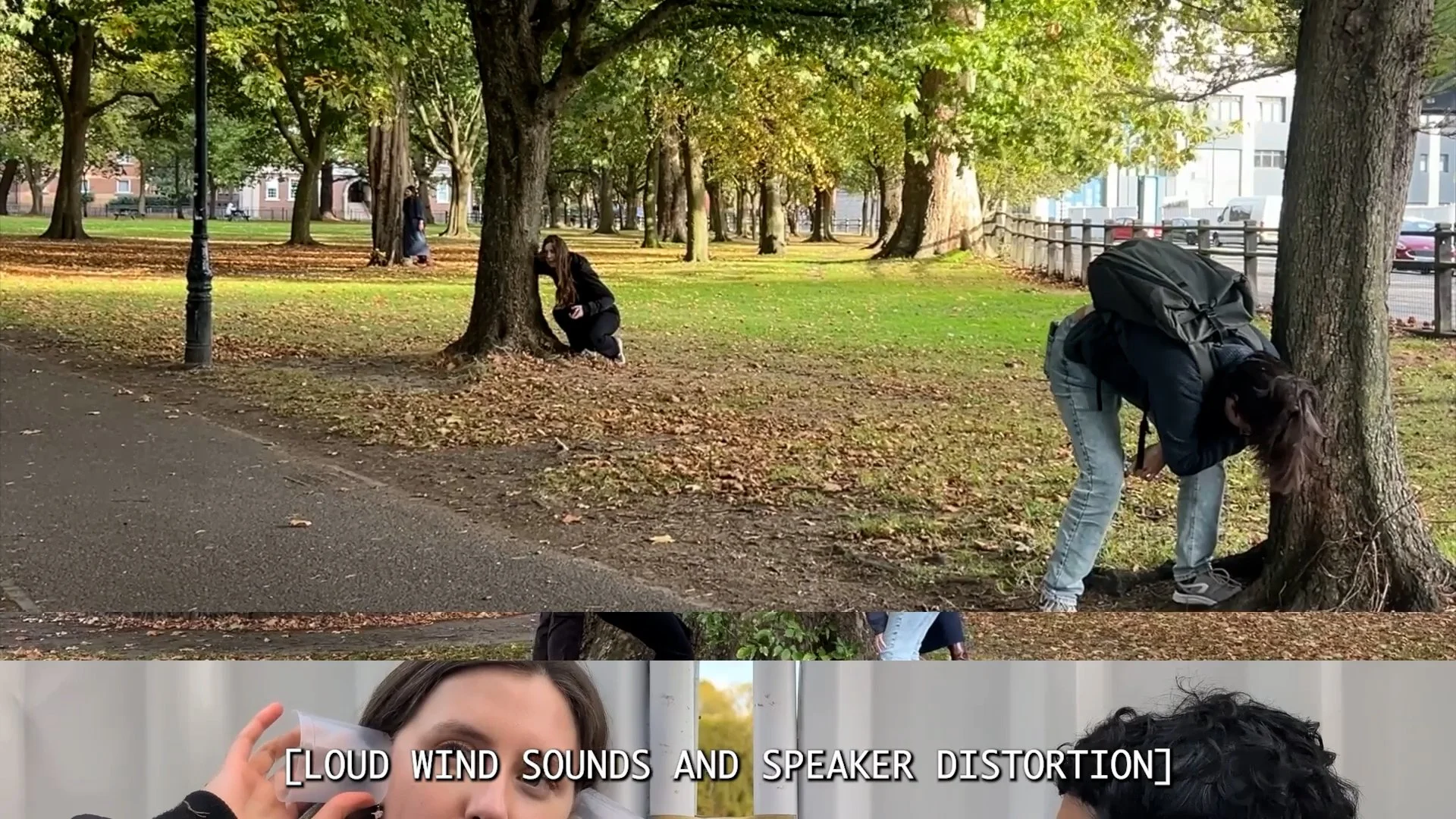
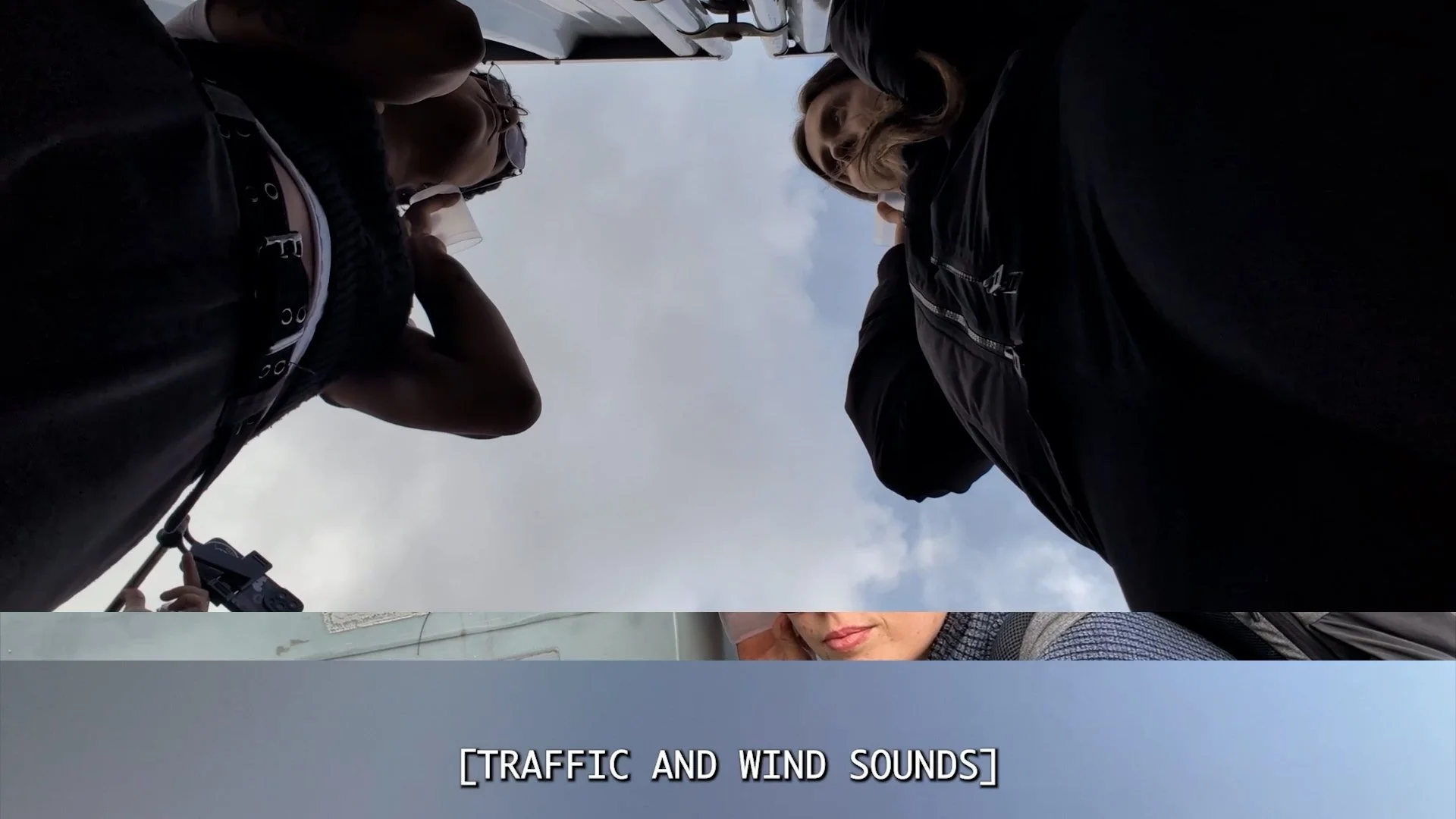
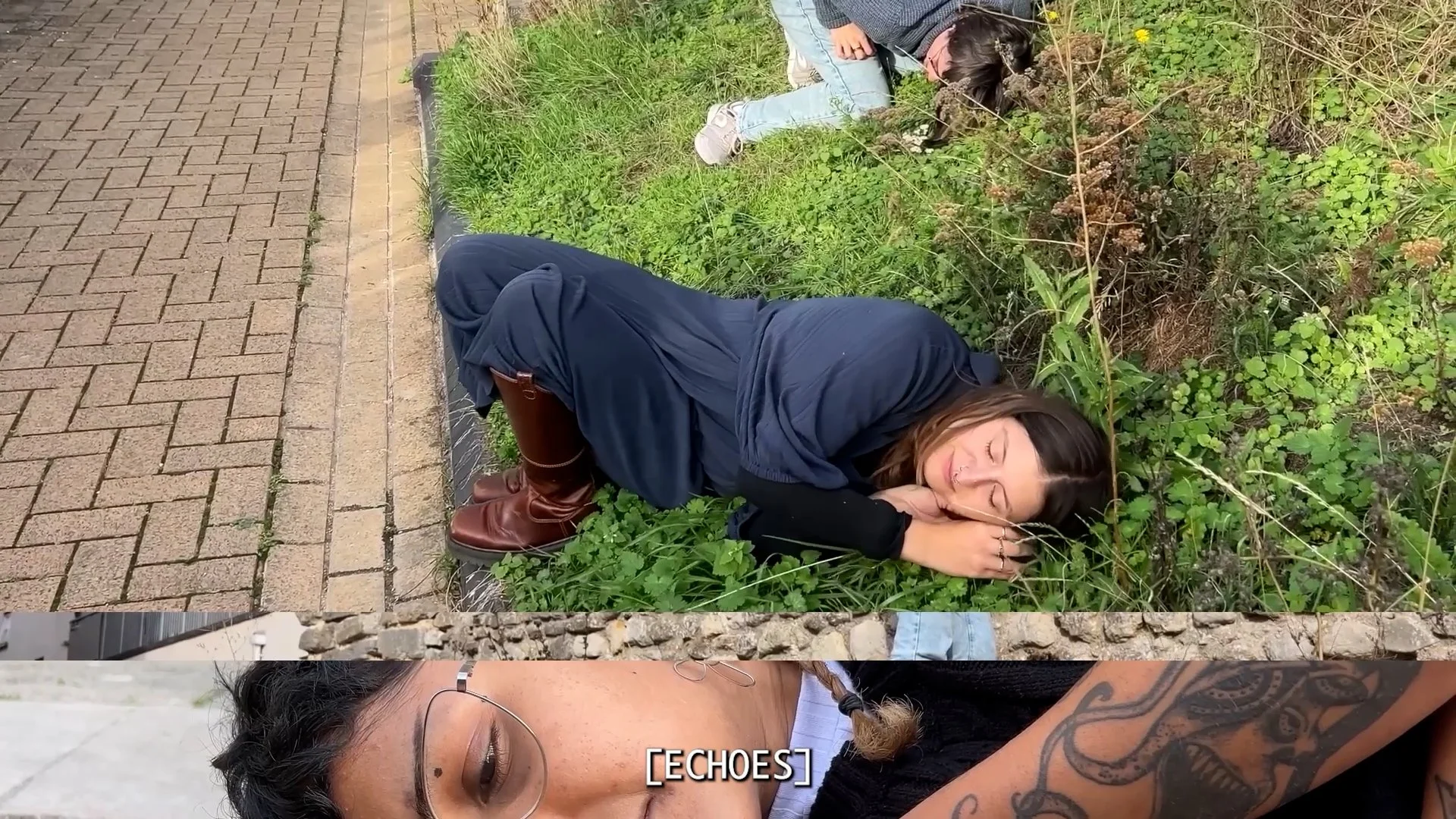
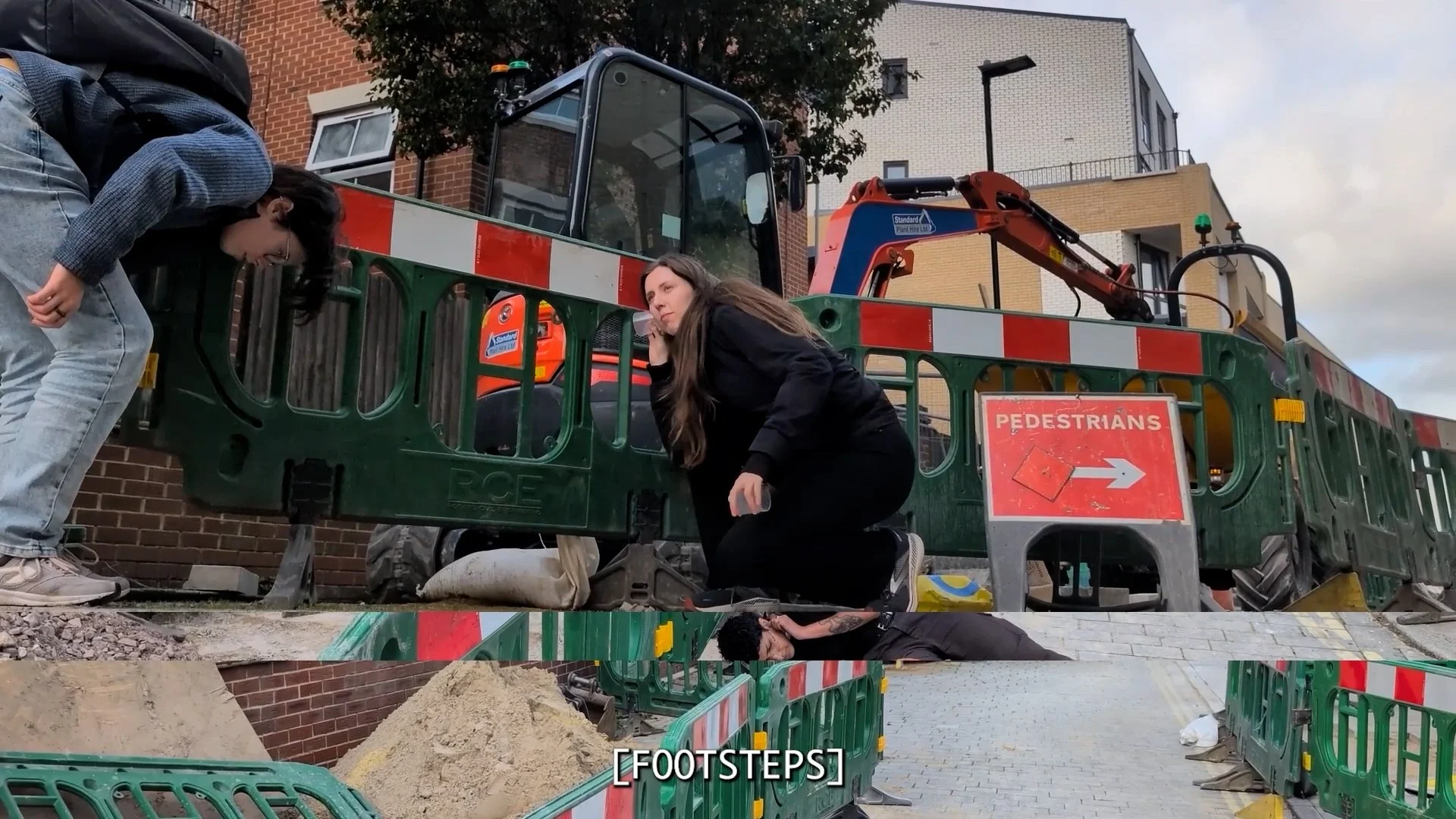
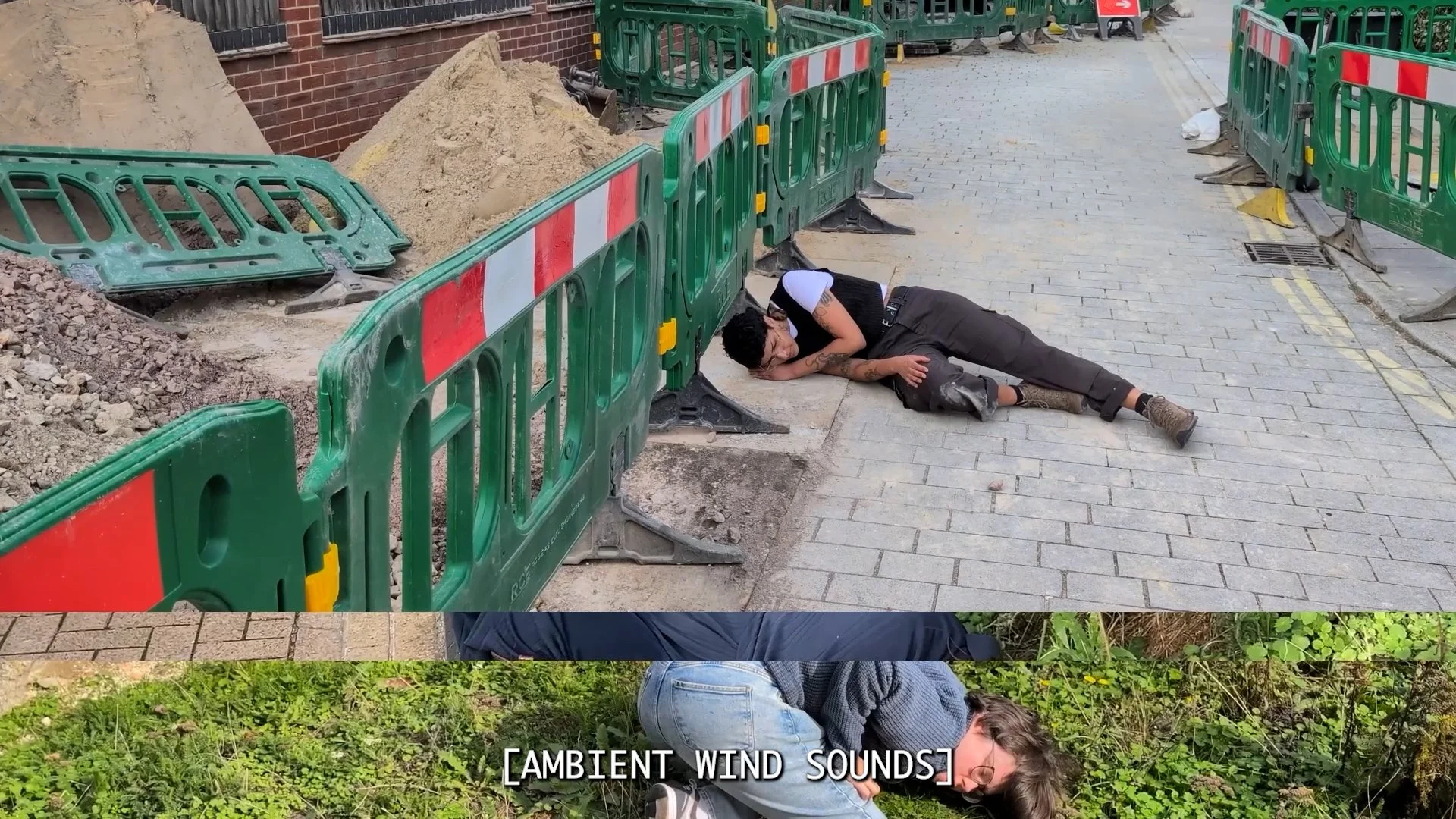
Setting out from their studio in Southampton, ZEST Collective wandered the streets, stopping wherever curiosity took hold. Pressing their cups against the ground, they listened. Traffic rumbled beneath them; the city was far from silent. There was no formal experiment, only a shared act of curiosity and the strange pleasure of listening together.
The film layers these encounters, allowing sounds and moments to overlap. It invites us to consider what lies beneath the familiar surface of the city, and how much of its hidden life can be sensed without using specialist equipment. Through Distributed Acoustic Sensing (DAS), existing fibre-optic cables can become extensive networks of sensors, detecting vibrations along their length. In smart cities, this technology might help reveal patterns of urban life and inequality. But it also invites questions about surveillance, privacy, and who gets to interpret the data being gathered.
Text written by Rabia Raja.